Explore Knowledge Base & Engineering Resources
Explore
Discover engineering & product insights

News
Every Role I've Played — Junior to CTO, What I Actually Did at Each Level
A candid career retrospective tracing my journey through every engineering role: Junior developer grinding through fundamentals, Mid-level shipping production features, Senior designing architectures, Staff building org-wide leverage, and CTO-level strategic decisions. Each section maps to the portfolio strategy framework with real projects, real metrics, and real lessons.
6/13/2026

News
What I Did at the CTO Level — Business Strategy Through Technology
At this level, your portfolio isn't about technology — it's about how technology created business value. I reduced AI inference costs by 90%, built an MCP orchestration that 3x'd developer output, and established a FOSS strategy where every repo is a 24/7 portfolio asset. This is what engineering leadership actually delivers.
6/13/2026
News
What I Did as a Junior Developer — The Fundamentals That Shaped Everything
No production experience. GitHub full of tutorial repos. One asset: the ability to learn fast and zero fear of breaking things. This is what I actually built as a junior engineer — WordPress sites, a PHP university system, and the hardcoded credentials mistake that taught me security forever.
6/13/2026

News
What I Did as a Mid-Level Engineer — Shipping, Ownership & Production Scars
I shipped real features to real users. I broke production and fixed it alone at 2 AM. I built a mobile banking app with 680K downloads, a mining fleet system saving $200K/year, and a field operations platform for 4.1M users. This is what mid-level engineering actually looks like — the projects, the metrics, and the production incidents that made me a real engineer.
6/13/2026
News
What I Did as a Senior Engineer — Architecture, Trade-Offs & Technical Judgment
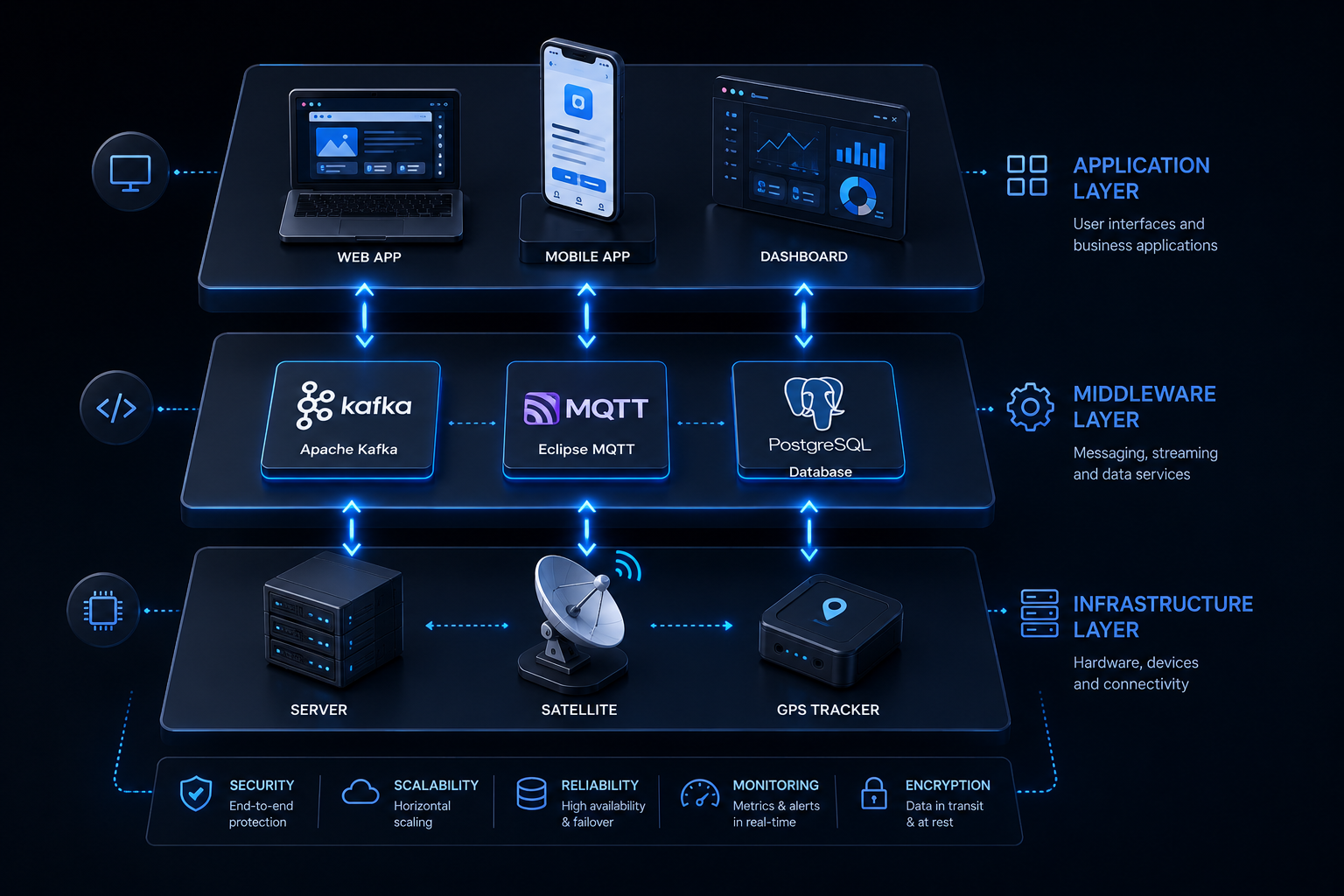
I stopped being evaluated on lines of code. I was evaluated on decisions — what architecture to use, what trade-offs to accept, and how to guide other developers. This is the real story of designing IoT telemetry for 50K events/sec, microservices for Australia's largest insurer, and the stack decision that became my most-read article.
6/13/2026
News
What I Did as a Staff Engineer — Leverage, Standards & Org-Wide Impact
A staff engineer doesn't just solve hard problems. They solve problems that prevent other engineers from being productive. I built a multi-tenant LMS framework serving 100+ universities, a dynamic form engine adopted by 3 teams, and an ISO 8583 bridge that became the org standard. This is what staff-level leverage actually looks like.
6/13/2026

News
Coding 12 Hours/Day but Salary is Stuck? The 'Lazy' Colleague Gets Promoted Instead — Here's the Math
The hardest-working engineer isn't always the highest-paid. Data from Google, McKinsey, and DORA proves: those paid 3-5x more are often 'lazy' at coding but smart at leveraging systems. This is the framework shift from Maker to Multiplier.
2/20/2026