Explore Knowledge Base & Engineering Resources
Explore
Discover engineering & product insights
News
Best Time to Buy and Sell Stock: From Brute Force to One-Pass O(n)
Master the classic coding interview problem 'Best Time to Buy and Sell Stock' with step-by-step explanation — from the naive brute force approach, recognizing patterns, to the optimal one-pass O(n) solution using sliding window / two-pointer technique. Complete with array visualization, complexity analysis, and the intuition behind every decision.
6/19/2026
News
Integer to Roman: The Greedy Mapping That Always Shows Up in Interviews
Breaking down the integer to Roman numeral conversion problem — from basic Roman numeral rules, the subtractive notation pitfalls (IV, IX, XL...), to a clean, interview-ready greedy O(1) solution. Complete with mapping table, step-by-step visualization, and why this approach is optimal given the 1-3999 constraint.
6/19/2026

News
Every Role I've Played — Junior to CTO, What I Actually Did at Each Level
A candid career retrospective tracing my journey through every engineering role: Junior developer grinding through fundamentals, Mid-level shipping production features, Senior designing architectures, Staff building org-wide leverage, and CTO-level strategic decisions. Each section maps to the portfolio strategy framework with real projects, real metrics, and real lessons.
6/13/2026

News
What I Did at the CTO Level — Business Strategy Through Technology
At this level, your portfolio isn't about technology — it's about how technology created business value. I reduced AI inference costs by 90%, built an MCP orchestration that 3x'd developer output, and established a FOSS strategy where every repo is a 24/7 portfolio asset. This is what engineering leadership actually delivers.
6/13/2026
News
What I Did as a Junior Developer — The Fundamentals That Shaped Everything
No production experience. GitHub full of tutorial repos. One asset: the ability to learn fast and zero fear of breaking things. This is what I actually built as a junior engineer — WordPress sites, a PHP university system, and the hardcoded credentials mistake that taught me security forever.
6/13/2026
News
What I Did as a Mid-Level Engineer — Shipping, Ownership & Production Scars
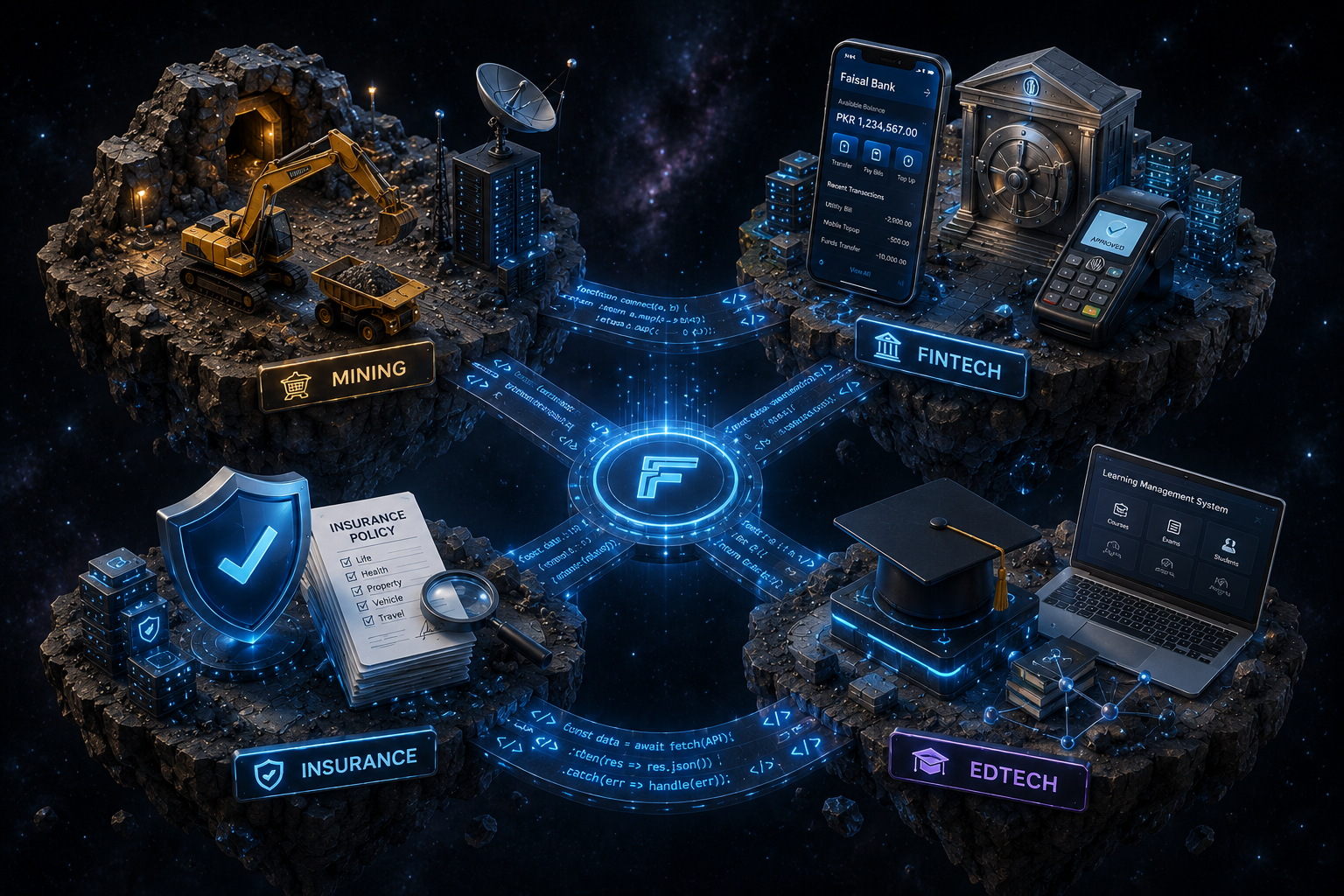
I shipped real features to real users. I broke production and fixed it alone at 2 AM. I built a mobile banking app with 680K downloads, a mining fleet system saving $200K/year, and a field operations platform for 4.1M users. This is what mid-level engineering actually looks like — the projects, the metrics, and the production incidents that made me a real engineer.
6/13/2026
News
What I Did as a Senior Engineer — Architecture, Trade-Offs & Technical Judgment
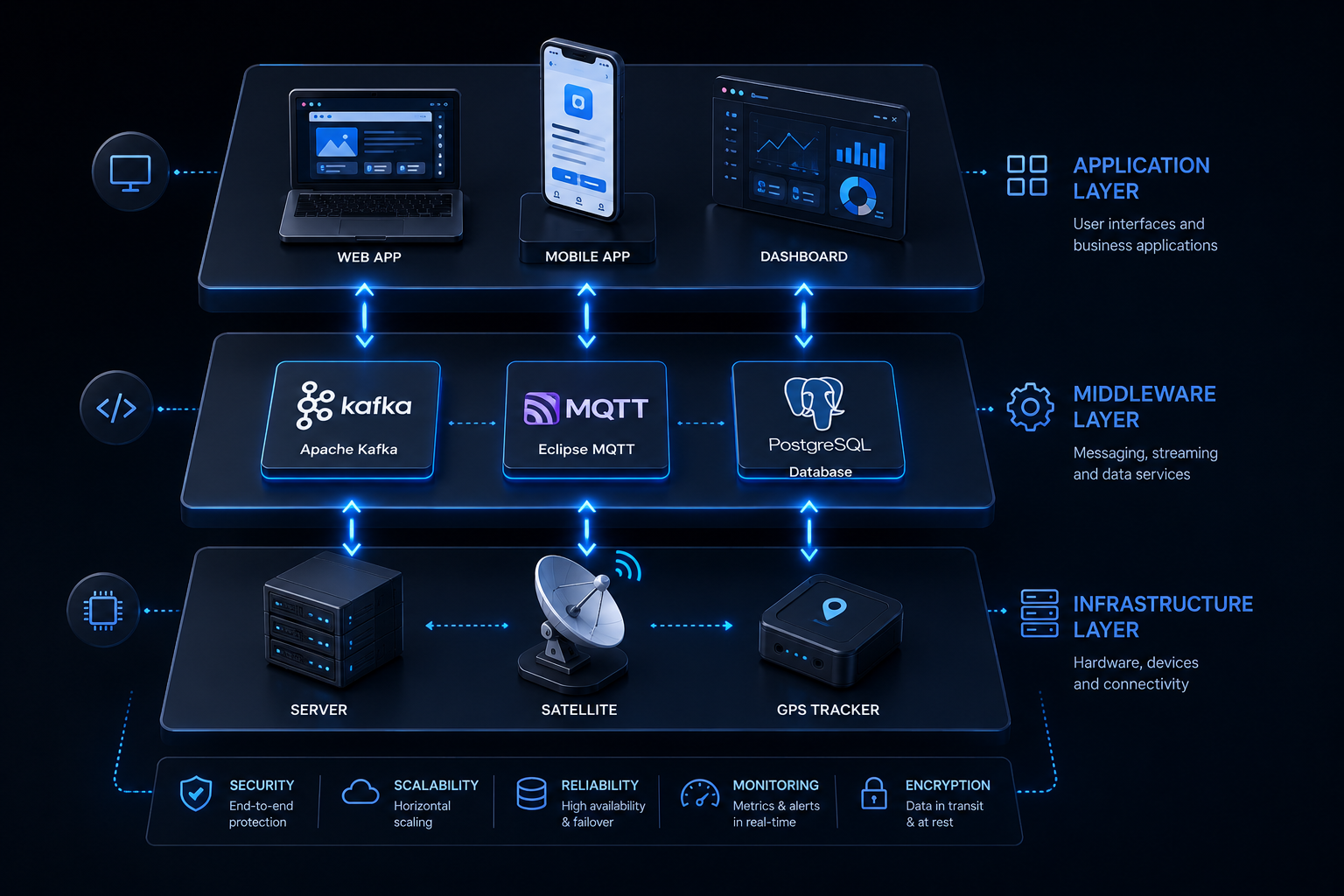
I stopped being evaluated on lines of code. I was evaluated on decisions — what architecture to use, what trade-offs to accept, and how to guide other developers. This is the real story of designing IoT telemetry for 50K events/sec, microservices for Australia's largest insurer, and the stack decision that became my most-read article.
6/13/2026
News
What I Did as a Staff Engineer — Leverage, Standards & Org-Wide Impact
A staff engineer doesn't just solve hard problems. They solve problems that prevent other engineers from being productive. I built a multi-tenant LMS framework serving 100+ universities, a dynamic form engine adopted by 3 teams, and an ISO 8583 bridge that became the org standard. This is what staff-level leverage actually looks like.
6/13/2026
News
Portfolio Strategy by Career Level — Junior to CTO
Your portfolio should reflect your seniority level, not just list every project you've touched. Junior engineers sell potential and fundamentals. Senior engineers sell depth and architecture. Staff engineers sell leverage. CTOs sell business outcomes. Here's exactly what to put in your portfolio at each level — with concrete examples and a universal format you can use today.
6/13/2026
News
Services I've Handled — Full-Stack Engineering, Architecture & Product Strategy
A comprehensive list of professional services I've delivered across multiple industries: IoT fleet management, fintech core banking integration, cyber insurance platforms, education technology, and enterprise digital transformation. Each service backed by real production systems still running today.
6/13/2026
News
Modern AI Architecture: End-to-End
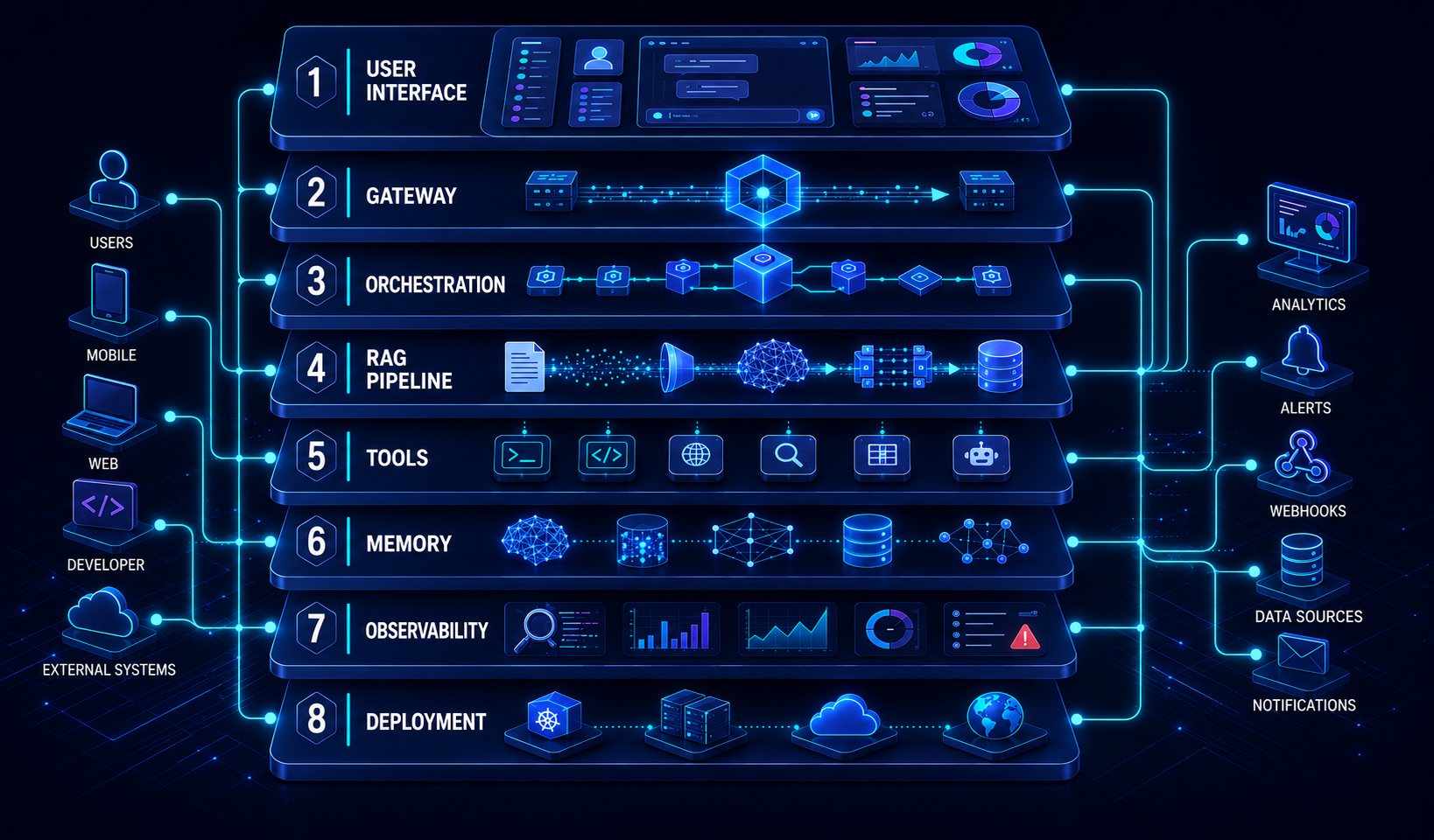
From the first user query to the response stored in the database. A complete guide to layers, tools, request flow, learning roadmap, and real-world production implementation — including the newly released Google ADK.
5/28/2026

News
97% of Websites Fail Accessibility Tests — Here's What You're Doing Wrong
Most developers think accessibility is 'not urgent' until they get sued. Learn WCAG 2.2, POUR principles, and implementation techniques you can apply immediately before your digital presence becomes a legal nightmare — and more importantly — a human failure.
4/1/2026

News
BMad Method: A More Mature AI-Driven Development Framework Than OpenSpec
OpenSpec is good for 'architectural blueprints'. But BMad goes further — with specialized agents, 4 end-to-end phases, and an intelligent guide that makes AI coding feel like a real engineering team.
3/22/2026

News
The AI Model Nobody's Talking About (Even Though It's Clearly Way Better)
MiniMax M2.7 isn't trendy to talk about. But check its benchmarks — it beats GPT-4o, Claude, and Gemini in almost every category. And the price? 10x cheaper. Why is nobody talking about it?
3/20/2026
News
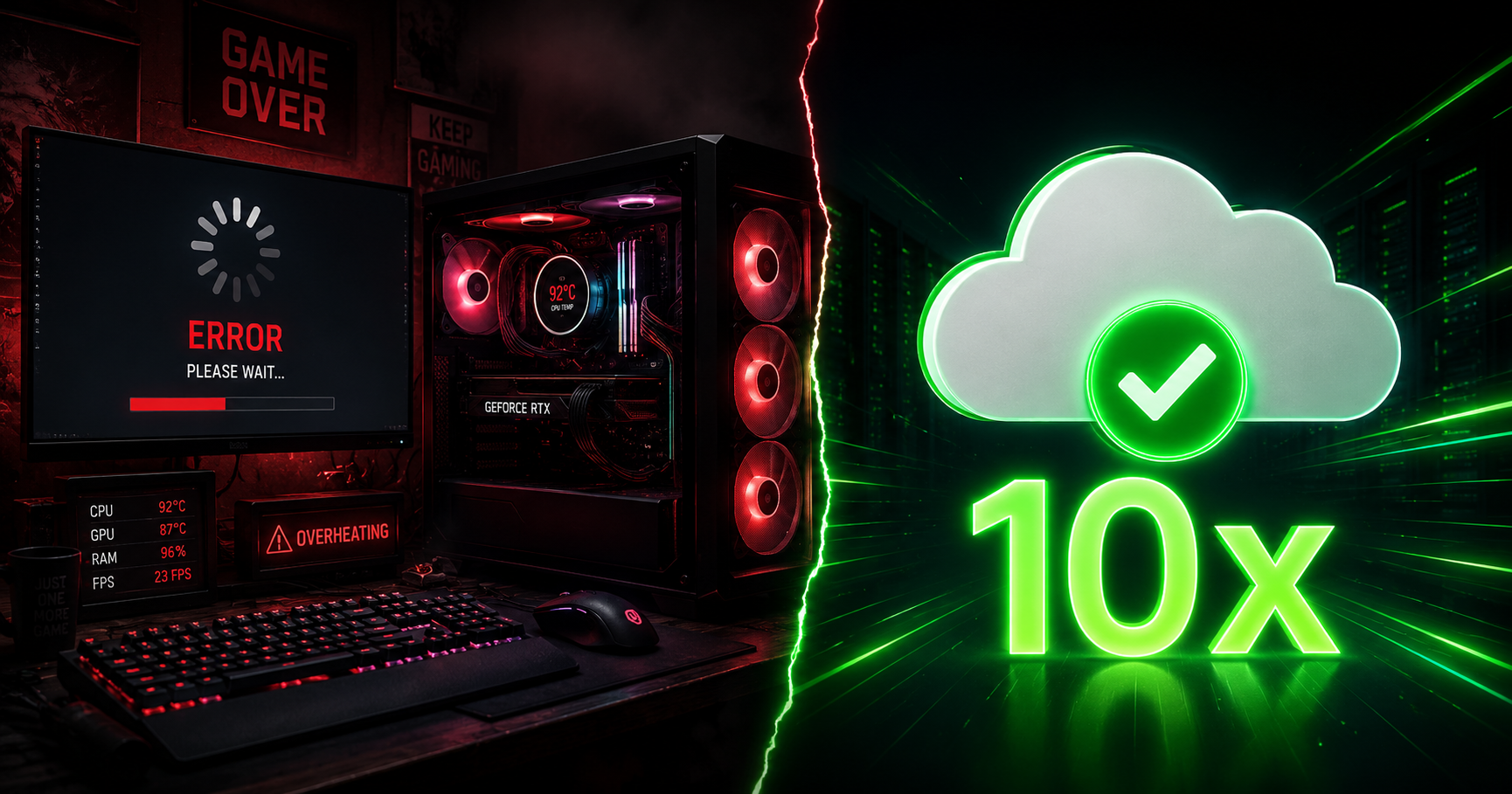
Claim to Be an 'AI-Driven Founder' But Build Using Local LLMs? Sorry, That's Just Playing House.
Some founders proudly build products from scratch using Ollama on a Rp 50 million PC. We break down why that's delusion, not innovation — and why a Rp 320k/month subscription is far more sensible.
3/19/2026
News
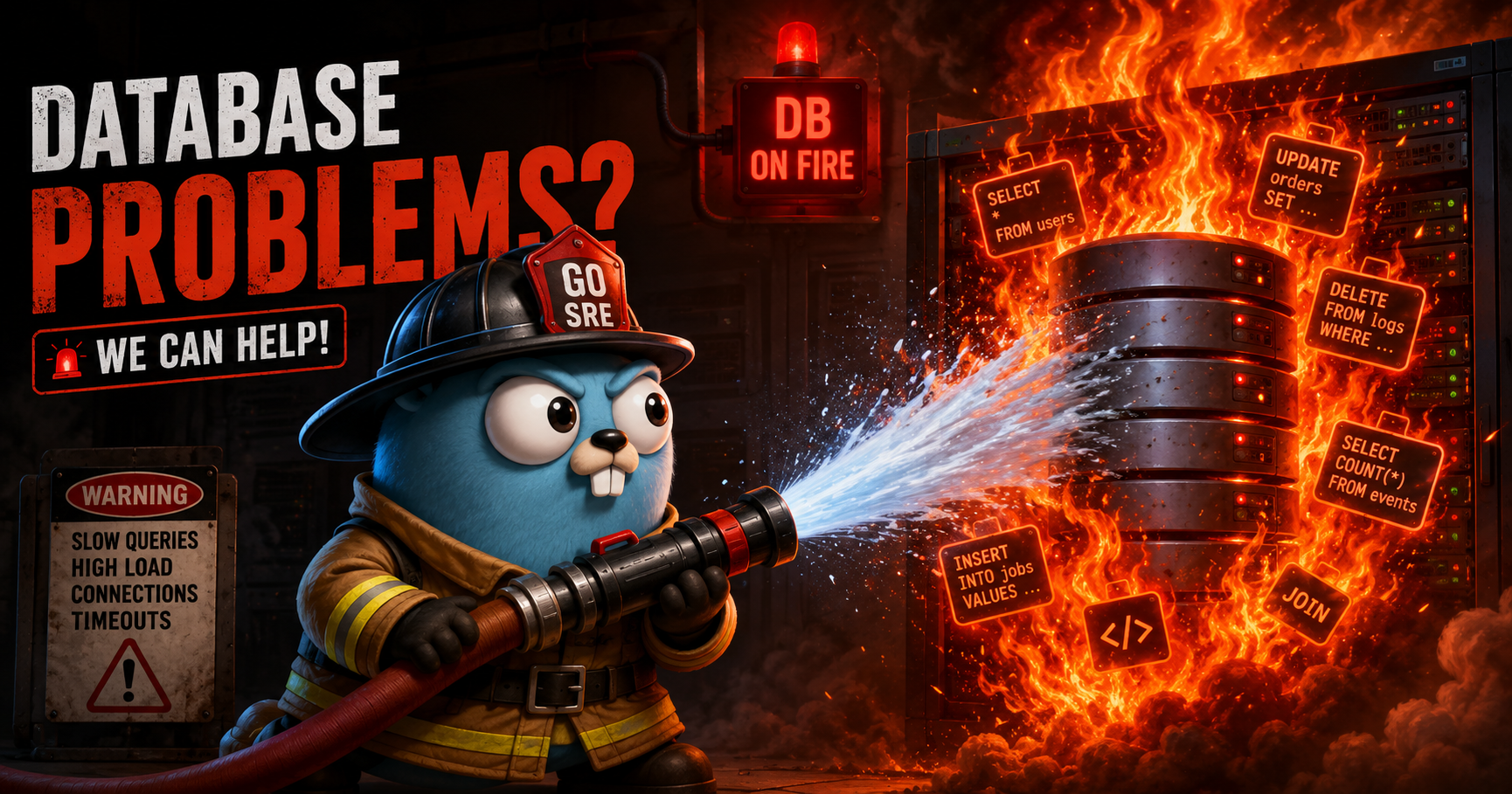
20 Database Problems That Make Senior Engineers Break a Cold Sweat in Production
N+1 is just the tip of the iceberg. Beneath it lie Cartesian Explosion, Lost Update, God Table, Replication Lag, ORM Trap, and 15 other far more dangerous problems — complete with real-world case studies and Golang solutions.
3/18/2026

News
OpenSpec: Stop 'Vibe Coding', Give AI a Clear Roadmap
Vibe Coding is like asking a contractor to build a house without a blueprint — the result? Chaos by the third month. OpenSpec arrives as an 'architectural blueprint' for AI coding, shifting the paradigm from random chatting to structured Spec-Driven Development.
3/15/2026
News
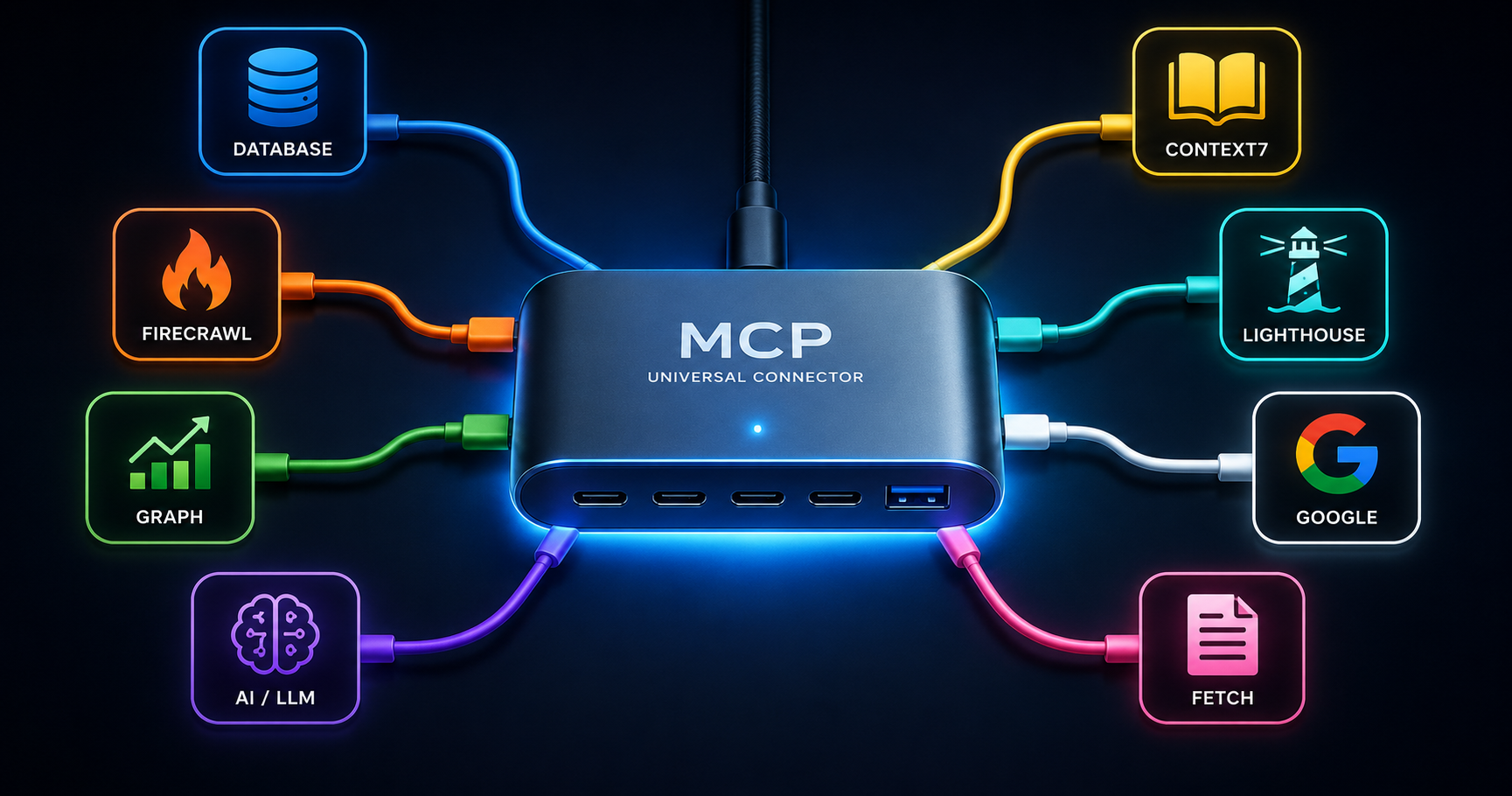
MCP: The Protocol That Lets AI Talk Directly to Your Database, Firebase, and Grafana
Model Context Protocol (MCP) is an open standard connecting LLMs with external data and tools — like USB-C for AI. Learn the architecture, how it works, and my real-world setup: 11 MCP servers from MySQL, Firebase, Grafana LGTM, to Lighthouse.
3/9/2026
News
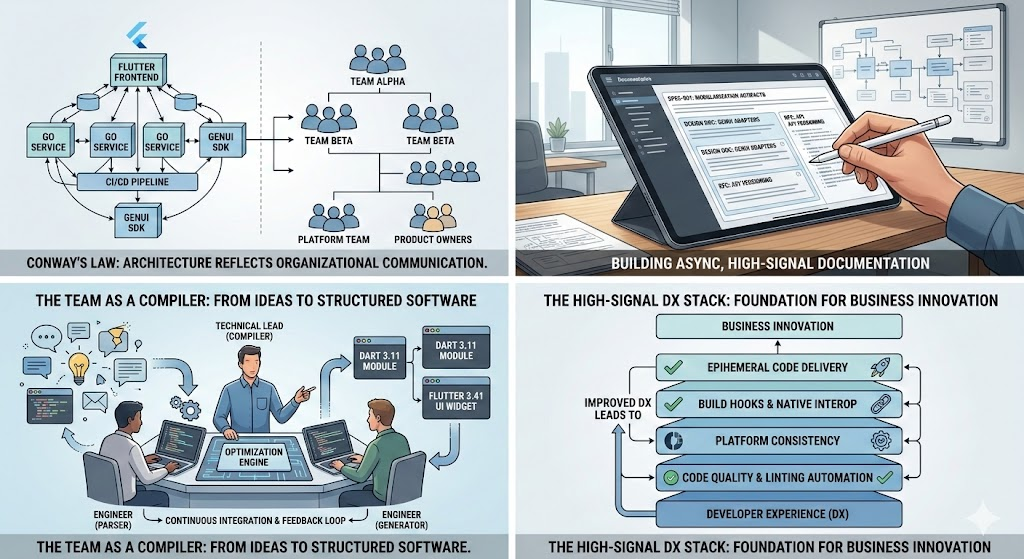
The Ultimate Framework for High-Signal Technical Leadership
Stop drowning in noise and start leading with extreme clarity. Discover the 'High Signal-to-Noise' framework that separates elite technical leaders from those who just attend endless meetings. Learn how to slay Conway's Conway's Law, build psychological safety, and scale your engineering impact without burning out.
3/2/2026

News
Why I Ditched Rust, Node, and Python for Go: The Brutally Honest Benchmark Data
A head-to-head benchmark of 7 popular programming languages: performance, memory, concurrency, developer experience, and the hiring market. Discover exactly why Go dominates production at millions of requests — and why I almost jumped ship to Rust (but didn't).
3/1/2026
News
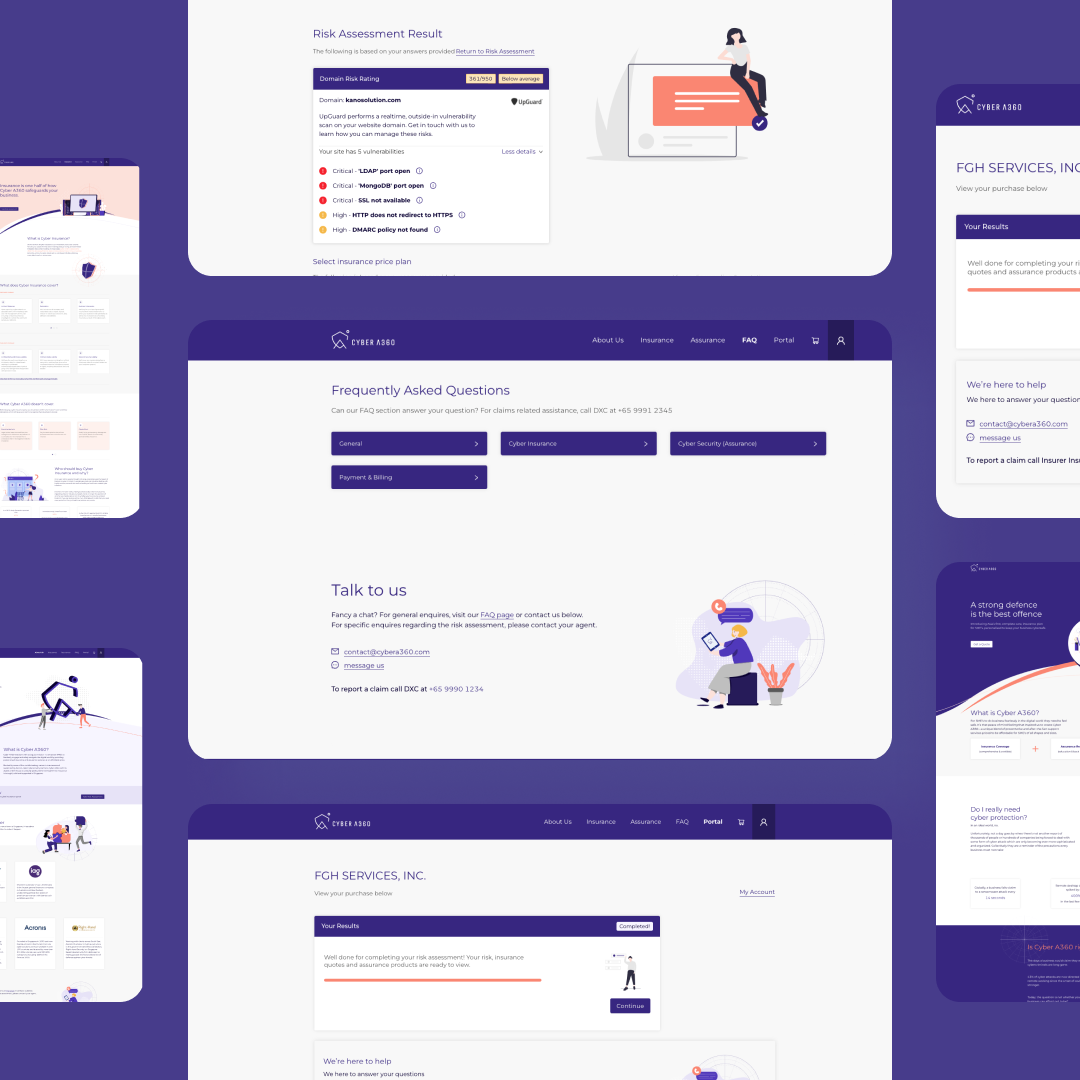
I Built a Cyber Insurance Platform for Australia's Largest Insurer from Indonesia — Here's the Full Architecture
From Jakarta to Sydney: how I built Cybera360, a platform combining automated risk assessment, real-time vulnerability scanning, and cyber insurance quoting — protecting 10,000+ SMEs across Asia Pacific.
3/1/2026
News
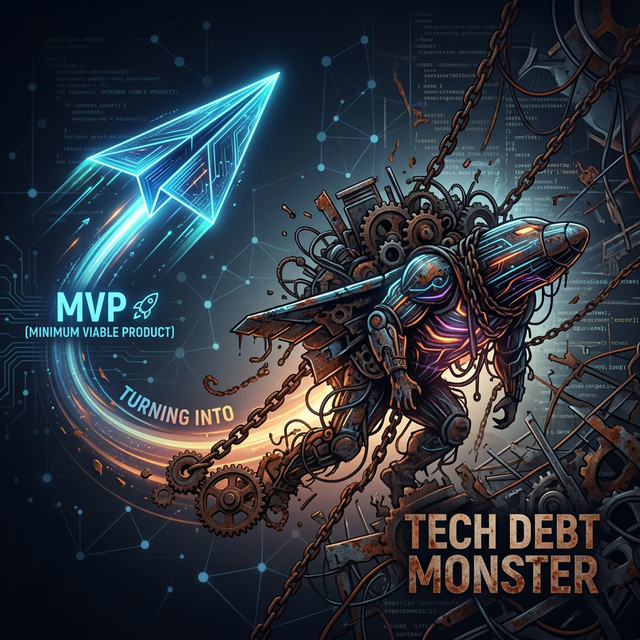
The $55K/Year Tech Debt Nobody Noticed — How I SOLD a Massive Refactor to Management (And WON)
Your MVP was built in record time, but now every new feature takes 3X longer? This is the raw, unfiltered true story of how silent tech debt secretly devoured $55,000/year — and the EXACT framework I used to convince management that refactoring is an explosive investment, not a cost.
3/1/2026
News
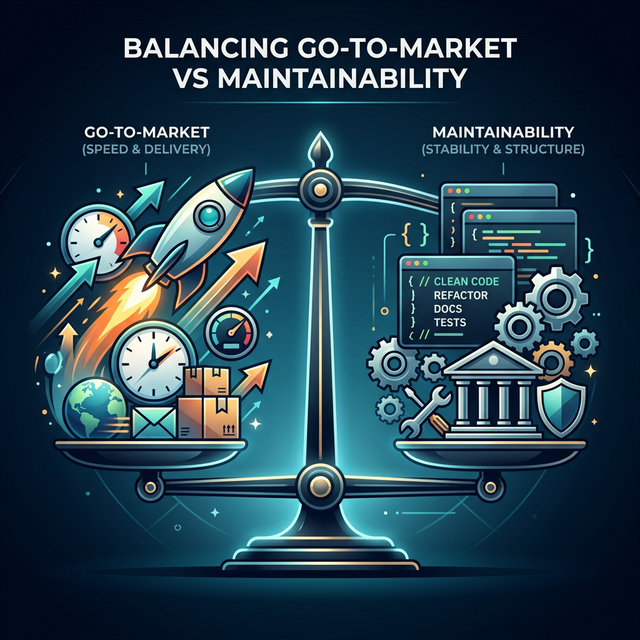
The CTO Demands a Rewrite. The CEO Demands ROI. Here is the Ultimate Framework to Bridge the Gap
Why do engineers ALWAYS lose budget battles to sales? Because we speak tech, while they speak MONEY. This is the exact framework I use to translate 'we need to refactor' into 'this will save us $2M/year' — complete with a ready-to-use ROI calculator.
3/1/2026
News
Truck Utilization 65% → 79%, Fuel Theft Detected in Month One: The Digital Mining Architecture I BUILT
How I engineered a hub-and-spoke platform for 3 massive mining sites in Borneo — real-time fleet management, automated HSE monitoring, and mine planning analytics that instantly caught fuel thieves in the very first month of deployment.
2/23/2026
News
Coding 12 Hours/Day but Salary is Stuck? The 'Lazy' Colleague Gets Promoted Instead — Here's the Math
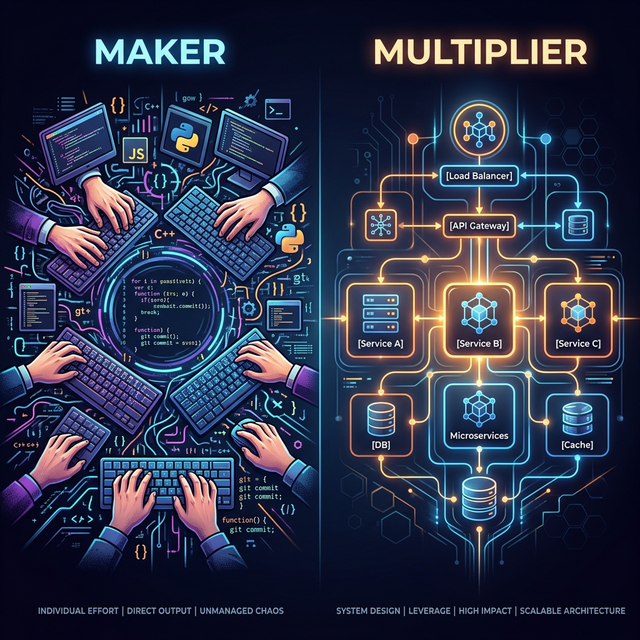
The hardest-working engineer isn't always the highest-paid. Data from Google, McKinsey, and DORA proves: those paid 3-5x more are often 'lazy' at coding but smart at leveraging systems. This is the framework shift from Maker to Multiplier.
2/20/2026
News
Stop Being a Code Monkey: Why Business-Savvy Developers Earn 3x More
Are you 'just' working on Jira tickets while other developers are shaping product decisions and leveling up 3x faster? Here is the framework that transformed me from a regular backend engineer into someone who owns business outcomes — with real-world production examples.
2/19/2026
News
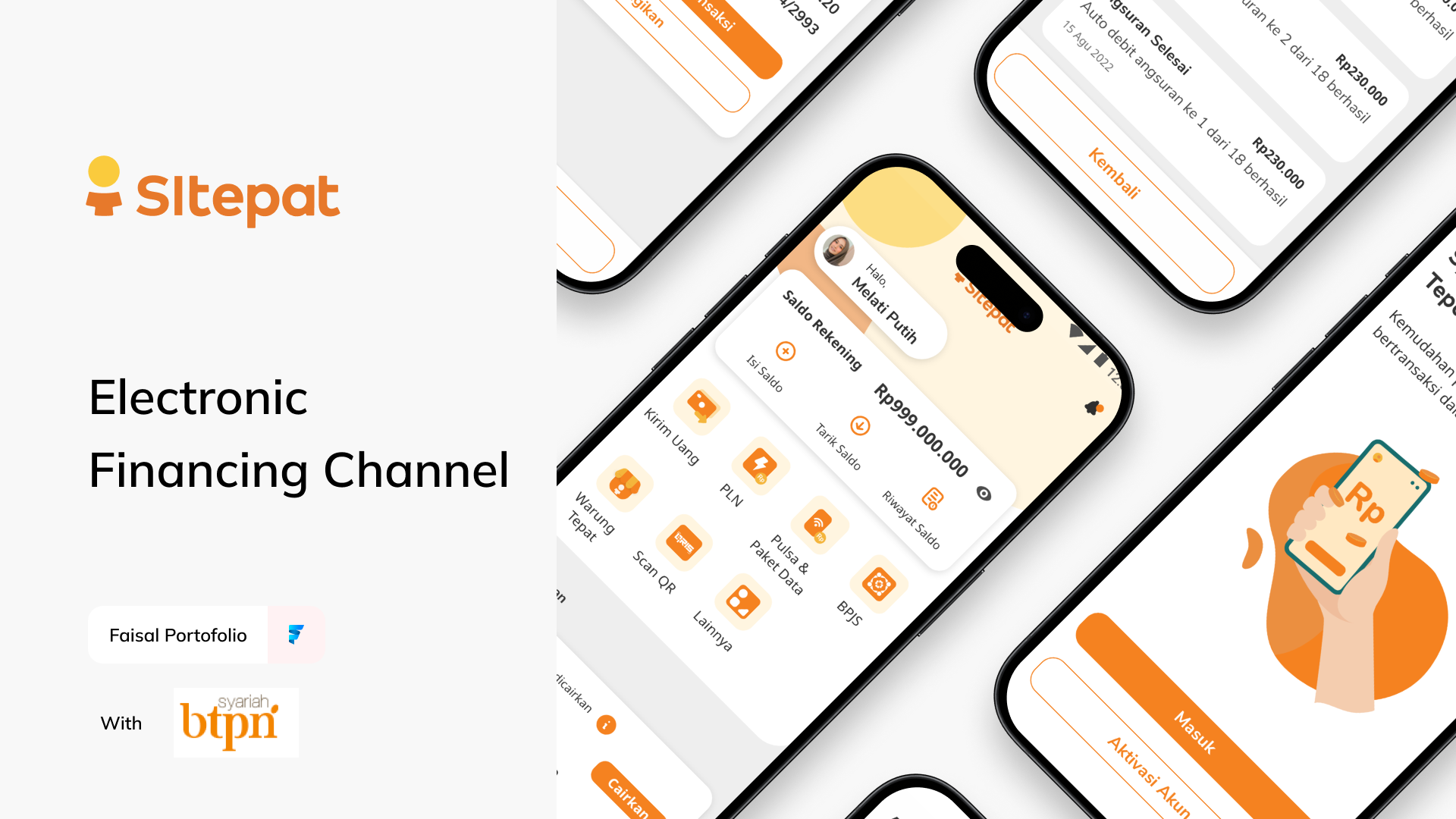
680K+ Downloads, Zero Downtime During Eid Rush — The Banking App I Integrated Directly with Core Banking
How I integrated a customer-facing app directly into Core Banking without middleware — serving millions of micro-finance customers with real-time accuracy, maintaining zero downtime even when traffic spiked 5x during Eid season.
11/15/2025
News
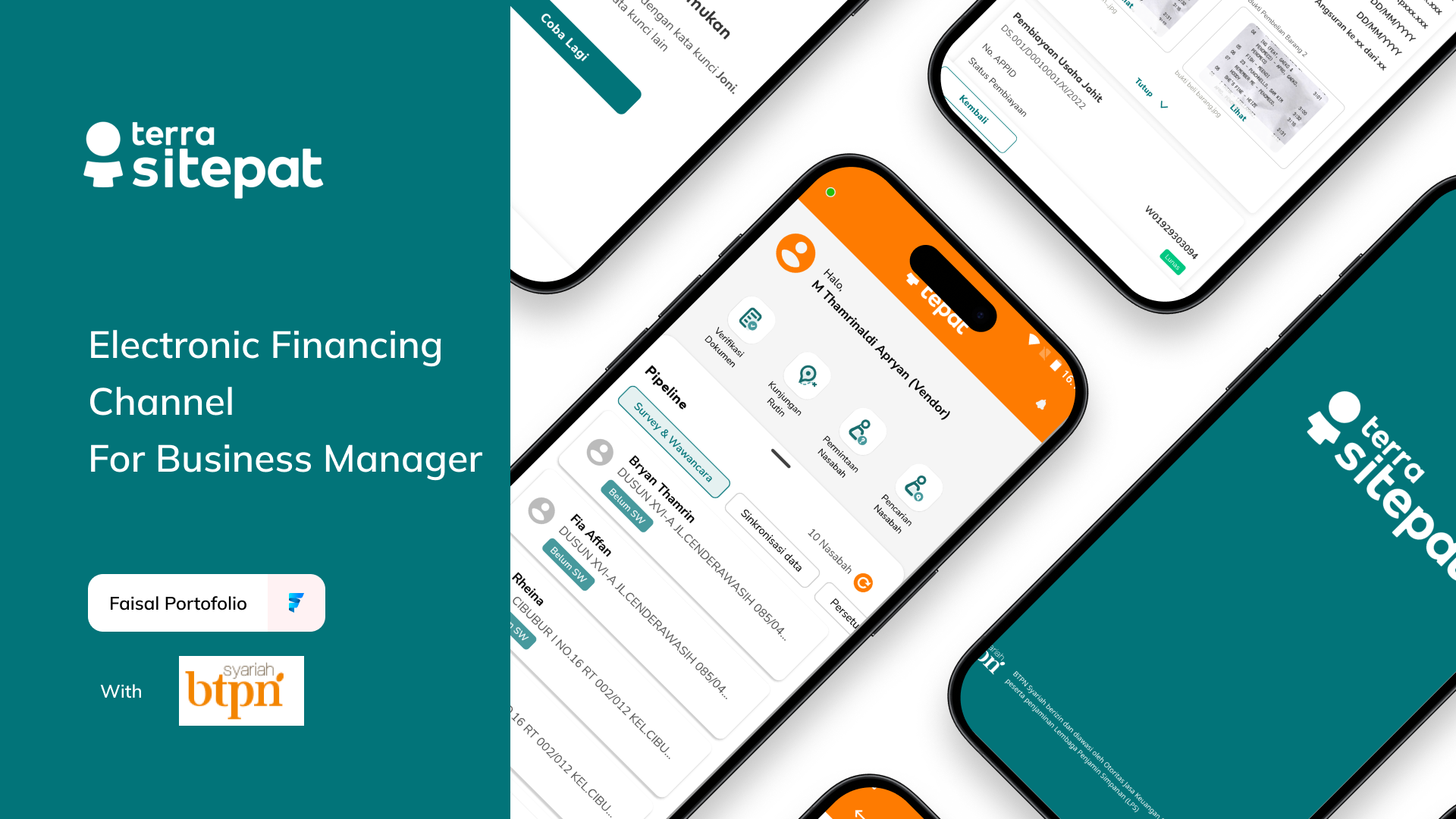
Built ALONE in 30 Days, Now Serving 4.1 MILLION Customers — The Insane Architecture That ERADICATED 23% Data Loss
One lone engineer. ONE month. Now it's the invincible backbone for 4.1 million microfinance customers. The completely raw story of how I hand-coded an offline-first architecture for 5,000 field officers in Indonesia's deepest corners — and the brutal lessons of being a Single Point of Failure.
11/15/2025