680K+ Download, Zero Downtime Saat Rush Lebaran — Aplikasi Perbankan yang Saya Integrasikan dengan Core Banking
Bagaimana saya mengintegrasikan aplikasi nasabah langsung ke Core Banking System tanpa middleware — melayani jutaan nasabah mikro syariah dengan akurasi real-time, dan tetap zero downtime saat traffic melonjak 5x di musim Lebaran.
Faisal Affan
Diterbitkan
Galeri
1 / 4
Engineering Case Study: Project SiTepat
"The best technology disappears — the customer only sees trust." — Don Norman
Context
Saya bertanggung jawab atas backend engineering aplikasi ini — merancang
dan membangun API layer, Core Banking integration, notification
engine, dan security middleware. Aplikasi ini adalah sisi
customer-facing dari ekosistem Tepati — jika Tepati digunakan oleh petugas
internal, SiTepat digunakan langsung oleh nasabah.
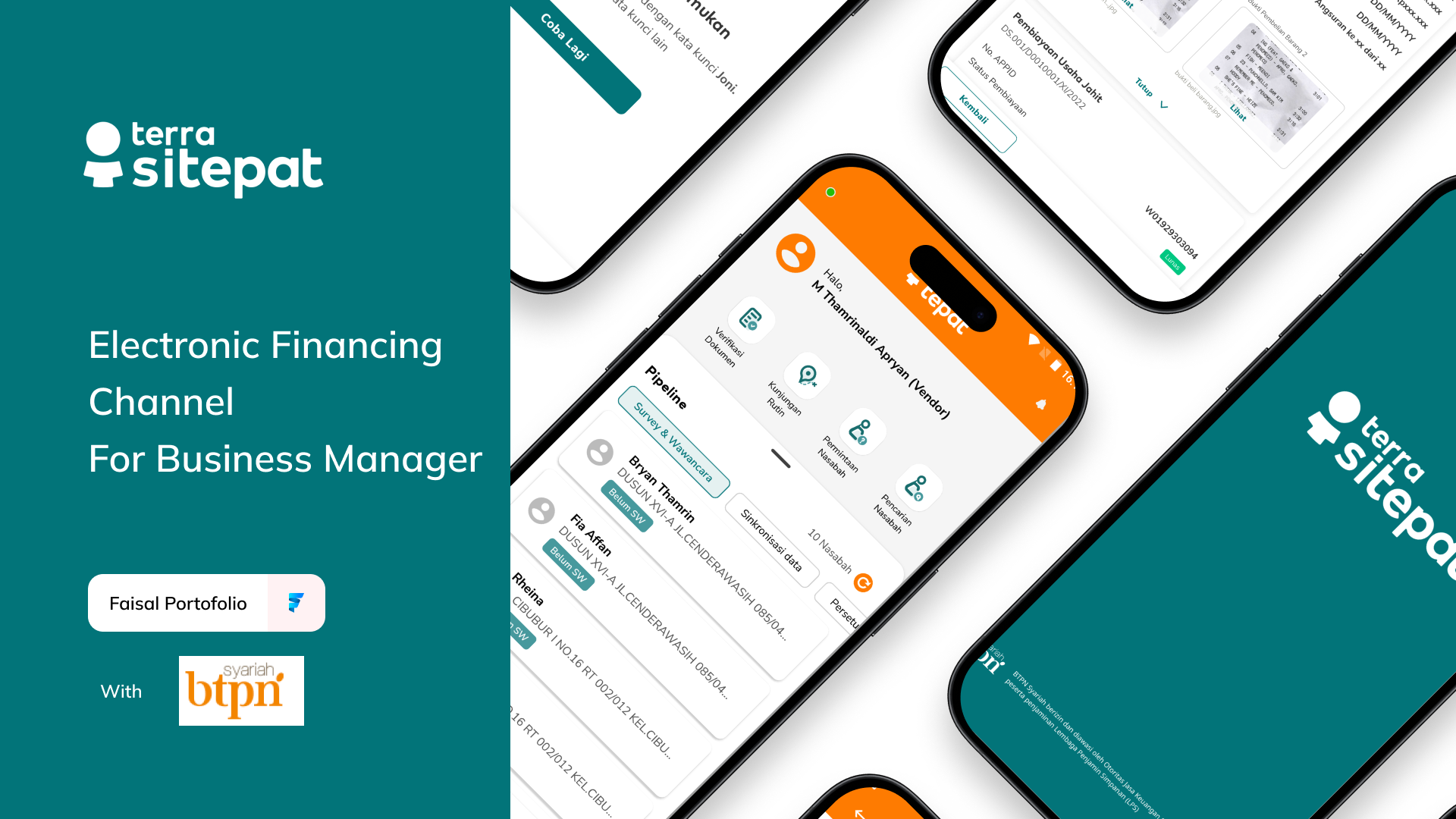
SiTepat adalah aplikasi mobile yang memberikan akses mandiri kepada nasabah (Undisclosed Enterprise Bank) untuk memantau status pembiayaan, tabungan, dan jadwal angsuran mereka — tanpa perlu mengunjungi kantor cabang atau menghubungi petugas.
Artikel ini membedah tantangan engineering dan keputusan arsitektur di balik pengembangan aplikasi customer-facing untuk sektor ultra-micro banking.
🏔️ 1. The Challenge
Kondisi Sebelum SiTepat
Sebelum SiTepat ada, nasabah hanya memiliki cara-cara tradisional untuk memantau status pembiayaan mereka:
Buku angsuran fisik — dicatat manual oleh petugas lapangan, rawan salah tulis dan hilang.
Menghubungi petugas (Community Officer) — nasabah harus menelpon atau menunggu kunjungan petugas untuk menanyakan saldo dan jadwal angsuran.
Datang ke kantor cabang — memakan waktu dan biaya transportasi, terutama untuk nasabah di daerah terpencil.
Tidak ada notifikasi — nasabah sering lupa tanggal jatuh tempo, menyebabkan keterlambatan pembayaran yang sebenarnya tidak disengaja.
Business Impact
Sebelum SiTepat, ~15% keterlambatan angsuran disebabkan oleh nasabah yang
lupa tanggal jatuh tempo — bukan karena tidak mampu bayar. Setiap
keterlambatan berpotensi meningkatkan rasio Non-Performing Loan (NPL) dan
menurunkan credit score nasabah.
Tantangan Engineering
Membangun aplikasi untuk nasabah banking memiliki tantangan yang fundamental berbeda dari aplikasi internal (Tepati):
Security Surface Area: Aplikasi terekspos ke publik melalui Play Store — attack surface jauh lebih besar dibanding app internal yang terdistribusi via MDM.
User Diversity: Target pengguna adalah nasabah mikro — pedagang pasar, petani, penjahit — yang mungkin baru pertama kali menggunakan smartphone untuk layanan perbankan.
Real-time Accuracy: Nasabah berekspektasi saldo terupdate seketika setelah pembayaran. Delay 5 detik saja bisa memicu pertanyaan ke Call Center.
Legacy Integration: Core Banking System bank menggunakan protokol ISO 8583 (standar transaksi ATM/POS dari era 1987) — harus di-bridge ke REST API modern.
Scale Pattern: Traffic bersifat bursty — lonjakan masif terjadi di tanggal-tanggal jatuh tempo (tanggal 1, 5, 10, 15 setiap bulan).
Device Fragmentation: Nasabah menggunakan Android devices dengan spesifikasi sangat bervariasi — dari RAM 1GB hingga flagship, Android 5.0 hingga terbaru.
🏗️ 2. Architecture Overview
Berbeda dengan Tepati yang arsitekturnya offline-first dengan message broker, SiTepat menggunakan arsitektur API Gateway pattern yang mengabstraksi kompleksitas Core Banking System dari mobile client.
graph TD
    A[Nasabah] -->|Open App| B[SiTepat Mobile App]
    B -->|HTTPS + Cert Pinning| C[API Gateway - Golang]
    C -->|Auth Check| D[Auth Service]
    D -->|Validate| E[OAuth 2.0 + MPIN/Biometric]
    C -->|Route| F[Account Service]
    C -->|Route| G[Financing Service]
    C -->|Route| H[Notification Service]
    F -->|ISO 8583| I[Core Banking System]
    G -->|ISO 8583| I
    H -->|FCM| B
    F -->|Cache| J[(Redis)]
    G -->|Cache| J
    I -->|Persist| K[(SQL Server)]
    C -->|Audit| L[(MongoDB)]
Key Architecture Decisions:
API Gateway sebagai single entry point — seluruh request dari mobile app masuk melalui satu gateway yang menangani auth, rate limiting, dan request routing.
ISO 8583 Bridge Service — service khusus yang mentranslasi REST API calls ke format ISO 8583 yang dipahami Core Banking, dan sebaliknya.
Redis Caching Layer — data yang jarang berubah (profil nasabah, detail tenor) di-cache untuk mengurangi load ke Core Banking System.
Circuit Breaker — jika Core Banking System lambat atau down, circuit breaker aktif dan menampilkan data dari cache terakhir, bukan error.
🛠️ 3. Technology Stack
Backend (yang saya bangun)
Golang: API Gateway dan microservices — dipilih karena low-latency dan built-in concurrency untuk handle bursty traffic.
Microsoft SQL Server: Primary database untuk data transactional.
MongoDB: Database NoSQL untuk menyimpan audit log aktivitas nasabah yang massive.
Redis: Distributed caching — TTL-based untuk data saldo (30 detik), longer TTL untuk profil (5 menit).
Firebase Cloud Messaging (FCM): Push notification engine untuk payment reminders.
OAuth 2.0 + JWT: Authentication dan authorization framework.
Frontend (Mobile)
React Native: Cross-platform app yang di-deploy ke Android via Play Store.
Secure Storage: Encrypted keychain untuk menyimpan token dan MPIN hash.
Firebase Analytics & Crashlytics: Monitoring adopsi dan stabilitas aplikasi.
Integration Layer
ISO 8583 Adapter: Custom-built adapter untuk berkomunikasi dengan legacy Core Banking (Temenos/T24-based).
Message Queue: Untuk async processing notification schedules dan audit logging.
🔍 4. Feature Deep Dives
Feature #1: Core Banking Integration via ISO 8583 Bridge
Problem: Core Banking System menggunakan protokol ISO 8583 — format binary fixed-length yang didesain tahun 1987 untuk transaksi ATM. Semua data saldo, mutasi, dan pembiayaan hanya bisa diakses melalui protokol ini. Mobile app butuh REST API.
Solution: Saya membangun ISO 8583 Bridge Service — sebuah Golang service yang bertindak sebagai translator antara REST API (JSON) dan ISO 8583 (binary).
graph LR
    A[Mobile App] -->|REST JSON| B[API Gateway]
    B -->|REST JSON| C[ISO 8583 Bridge]
    C -->|Pack to ISO 8583| D[Core Banking]
    D -->|ISO 8583 Response| C
    C -->|Unpack to JSON| B
    B -->|JSON Response| A
iso8583/bridge.go
// ISO 8583 Bridge - Simplified Balance Inquirytype BalanceInquiry struct { PAN string `iso8583:"2"` // Primary Account Number ProcessCode string `iso8583:"3"` // 310000 = Balance Inquiry Amount int64 `iso8583:"4"` STAN string `iso8583:"11"` // System Trace Audit Number LocalTime string `iso8583:"12"` LocalDate string `iso8583:"13"` MerchantID string `iso8583:"42"`}func (s *BridgeService) GetBalance(ctx context.Context, accountID string) (*BalanceResponse, error) { // Build ISO 8583 message msg := &BalanceInquiry{ PAN: accountID, ProcessCode: "310000", STAN: generateSTAN(), LocalTime: time.Now().Format("150405"), LocalDate: time.Now().Format("0102"), } packed, err := s.packer.Pack(msg) if err != nil { return nil, fmt.Errorf("failed to pack ISO message: %w", err) } // Send to Core Banking via TCP socket resp, err := s.conn.SendWithTimeout(ctx, packed, 10*time.Second) if err != nil { // Circuit breaker: fallback to cached balance cached, cacheErr := s.cache.Get(ctx, fmt.Sprintf("balance:%s", accountID)) if cacheErr == nil { return cached.(*BalanceResponse), nil } return nil, fmt.Errorf("core banking unavailable: %w", err) } balance, err := s.packer.Unpack(resp) if err != nil { return nil, fmt.Errorf("failed to unpack response: %w", err) } // Cache the result s.cache.Set(ctx, fmt.Sprintf("balance:%s", accountID), balance, 30*time.Second) return balance, nil}
Key Engineering Decisions:
TCP Connection Pool: Maintain persistent TCP connections ke Core Banking — avoid handshake overhead per request.
Circuit Breaker Pattern: Jika Core Banking response time > 10 detik atau error rate > 50%, otomatis fallback ke cached data.
STAN (System Trace Audit Number): Unique identifier per transaksi untuk reconciliation dan debugging.
Results:
Metric
Sebelum (Manual)
Sesudah (SiTepat)
Improvement
Balance inquiry response time
N/A (visit branch)
< 2 detik
—
Core Banking hit rate
100% (no cache)
35% (65% cache hit)
↓ 65% load
API availability
N/A
99.7% (with circuit breaker)
—
Daily active inquiries
0 (manual only)
~120,000
—
Feature #2: Real-Time Financing Dashboard
Problem: Nasabah tidak memiliki visibility atas status pembiayaan mereka. Informasi seperti sisa plafon, jadwal angsuran, dan riwayat pembayaran hanya bisa dilihat di buku angsuran fisik — yang sering hilang atau tidak diupdate.
Solution: Financing Dashboard yang menampilkan data pembiayaan secara komprehensif dan real-time.
Stale-While-Revalidate: Tampilkan data dari cache dulu untuk instant UX, lalu update di background. Nasabah tidak perlu lihat loading spinner.
Payment Progress Ring: Visual indicator berapa persen angsuran sudah selesai — memberi motivasi psychological kepada nasabah.
Overdue Alert: Jika ada angsuran telat, card pembiayaan berubah merah dengan call-to-action yang jelas.
Results:
Metric
Sebelum
Sesudah
Improvement
Customer inquiry calls (Call Center)
~8,500/bulan
~3,200/bulan
↓ 62%
Avg time to check financing status
15-30 menit (visit/call)
< 5 detik
↓ 99%
Customer satisfaction (survey)
3.2/5
4.5/5
↑ 41%
Buku angsuran replacement requests
~2,100/bulan
~400/bulan
↓ 81%
Feature #3: Smart Payment Reminder Engine
Problem: ~15% keterlambatan angsuran disebabkan karena lupa, bukan karena tidak mampu. Sistem SMS reminder sebelumnya tidak efektif karena sering masuk spam folder dan tidak bisa di-track delivery-nya.
Solution: Multi-channel smart reminder engine dengan scheduling yang configurable.
graph TD
    A[Scheduler Service] -->|Scan H-3| B{Due Date Check}
    B -->|H-3| C[Reminder: Gentle]
    B -->|H-1| D[Reminder: Urgent]
    B -->|H+0| E[Reminder: Due Today]
    B -->|H+1| F[Reminder: Overdue]
    C --> G[FCM Push Notification]
    D --> G
    E --> G
    F --> G
    G --> H[SiTepat App]
    A --> I[(PostgreSQL - Schedule DB)]
    G --> J[Notification Log]
Batch Processing: Scheduler berjalan setiap pagi jam 06:00 WIB — memproses seluruh nasabah yang jatuh tempo di batch, bukan satu per satu.
Idempotent: Jika scheduler berjalan dua kali (misalnya karena restart), nasabah tidak akan menerima notifikasi ganda — deduplication berdasarkan customer_id + template + date.
Overdue Escalation: Jika nasabah sudah H+1 dan belum bayar, notifikasi juga dikirim via SMS sebagai fallback — bukan hanya push notification.
Skip Logic: Nasabah yang sudah bayar di-skip otomatis, menghindari notifikasi yang mengganggu.
Results:
Metric
Sebelum (SMS)
Sesudah (SiTepat)
Improvement
Late payment (karena lupa)
~15%
~4%
↓ 73%
Notification delivery rate
62% (SMS)
94% (Push)
↑ 52%
Nasabah bayar sebelum jatuh tempo
58%
81%
↑ 40%
Cost per notification
Rp 350 (SMS)
Rp 0 (Push)
↓ 100%
Feature #4: Banking-Grade Security Layer
Problem: Aplikasi banking terekspos ke publik — setiap vulnerability bisa berujung pada pencurian data finansial nasabah. Regulasi OJK dan PBI (Peraturan Bank Indonesia) mensyaratkan standar keamanan yang sangat tinggi.
Solution: Multi-layered security framework yang saya implementasikan di backend dan koordinasikan dengan tim mobile.
graph TD
    A[User Login] --> B{Biometric / MPIN}
    B -->|Valid| C[Generate JWT]
    C --> D[API Request]
    D --> E{Certificate Pinning Check}
    E -->|Valid Cert| F{Rate Limiter}
    F -->|Under Limit| G{JWT Validation}
    G -->|Valid Token| H{Device Integrity Check}
    H -->|Clean Device| I[Process Request]
    H -->|Rooted Device| J[Block + Alert]
    E -->|Invalid Cert| K[Reject - MITM Detected]
    F -->|Over Limit| L[429 Too Many Requests]
    G -->|Invalid Token| M[401 Unauthorized]
Go
// Security Middleware Stack (Golang)func SecurityMiddleware(next http.Handler) http.Handler { return http.HandlerFunc(func(w http.ResponseWriter, r *http.Request) { ctx := r.Context() // 1. Rate Limiting — per account, sliding window accountID := extractAccountID(r) if !rateLimiter.Allow(accountID, 30, time.Minute) { http.Error(w, "too many requests", http.StatusTooManyRequests) auditLog(ctx, "rate_limit_exceeded", accountID) return } // 2. JWT Validation with rotation support claims, err := validateJWT(r.Header.Get("Authorization")) if err != nil { http.Error(w, "unauthorized", http.StatusUnauthorized) auditLog(ctx, "invalid_token", accountID) return } // 3. Device Integrity Check deviceFingerprint := r.Header.Get("X-Device-Fingerprint") if isRootedDevice(deviceFingerprint) { http.Error(w, "device not supported", http.StatusForbidden) auditLog(ctx, "rooted_device_blocked", accountID) alertSecurityTeam(ctx, accountID, "rooted_device_detected") return } // 4. Session Binding — token harus dari device yang sama if claims.DeviceID != deviceFingerprint { http.Error(w, "session invalid", http.StatusUnauthorized) auditLog(ctx, "device_mismatch", accountID) return } // 5. Request Signing Verification if !verifyRequestSignature(r) { http.Error(w, "invalid signature", http.StatusBadRequest) auditLog(ctx, "invalid_signature", accountID) return } ctx = context.WithValue(ctx, "claims", claims) next.ServeHTTP(w, r.WithContext(ctx)) })}
Security Layers Implemented:
Layer
Mekanisme
Tujuan
Transport
TLS 1.3 + Certificate Pinning
Mencegah MITM attack
Authentication
MPIN + Biometric + OAuth 2.0
Multi-factor verification
Authorization
JWT dengan device binding
Token hanya valid di device asli
Integrity
Root/Jailbreak detection
Block device yang compromised
Rate Limiting
Sliding window per account
Mencegah brute force dan DDoS
Audit
Immutable audit log
Compliance dan forensic
Data at Rest
AES-256 encryption
Lindungi data lokal di device
Request Signing
HMAC-SHA256
Pastikan request tidak di-tamper
Results:
Metric
Target (OJK/PBI)
Achieved
Status
Security incidents (data breach)
0
0
✅ Compliant
Unauthorized access attempts blocked
—
~2,400/bulan
Auto-blocked
Brute force MPIN attempts blocked
—
~850/bulan
Auto-locked
OJK penetration test
Pass
Pass
✅ Certified
Feature #5: Mutation History & Transaction Search
Problem: Nasabah sering memerlukan bukti transaksi untuk keperluan bisnis mereka — misalnya bukti bayar angsuran untuk mengajukan pinjaman di tempat lain, atau memastikan setoran dari petugas sudah masuk ke rekening.
Solution: Searchable transaction history dengan filter dan export capability.
Go
// Transaction History Service (Golang)type MutationFilter struct { AccountID string `json:"account_id"` StartDate time.Time `json:"start_date"` EndDate time.Time `json:"end_date"` Type string `json:"type"` // "credit", "debit", "all" MinAmount *int64 `json:"min_amount,omitempty"` MaxAmount *int64 `json:"max_amount,omitempty"` Page int `json:"page"` PageSize int `json:"page_size"`}func (s *MutationService) GetMutations(ctx context.Context, filter MutationFilter) (*MutationResponse, error) { // Validate date range — max 90 days per query (OJK requirement) if filter.EndDate.Sub(filter.StartDate) > 90*24*time.Hour { return nil, fmt.Errorf("date range exceeds 90 days maximum") } // Check cache for recent mutations (< 24 hours) cacheKey := fmt.Sprintf("mutations:%s:%s:%s", filter.AccountID, filter.StartDate.Format("20060102"), filter.EndDate.Format("20060102"), ) if cached, err := s.cache.Get(ctx, cacheKey); err == nil { return cached.(*MutationResponse), nil } // Fetch from Core Banking via ISO 8583 rawMutations, err := s.bridge.FetchMutations(ctx, filter.AccountID, filter.StartDate, filter.EndDate) if err != nil { return nil, fmt.Errorf("failed to fetch mutations: %w", err) } // Transform & enrich data mutations := make([]Mutation, 0, len(rawMutations)) for _, raw := range rawMutations { mutations = append(mutations, Mutation{ Date: raw.TransactionDate, Description: enrichDescription(raw.Description), Amount: raw.Amount, Type: categorizeTransaction(raw.DebitCredit), Balance: raw.RunningBalance, Reference: raw.ReferenceNumber, }) } // Apply client-side filters filtered := applyFilters(mutations, filter) // Paginate result := paginate(filtered, filter.Page, filter.PageSize) // Cache for 5 minutes s.cache.Set(ctx, cacheKey, result, 5*time.Minute) return result, nil}
Results:
Metric
Sebelum
Sesudah
Improvement
Waktu akses riwayat transaksi
Visit branch (1-2 jam)
< 3 detik
↓ 99%
Cetak mutasi di branch
~4,200 request/bulan
~1,100 request/bulan
↓ 74%
Dispute resolution time
3-5 hari kerja
< 24 jam
↓ 80%
🚀 5. Overall Business Impact
Implementasi SiTepat mengubah cara nasabah berinteraksi dengan bank:
Key Numbers
Adoption rate: 680,000+ downloads di Play Store - Monthly Active
Users: ~320,000 nasabah aktif per bulan - Call Center volume: turun
62% (dari ~8,500 → ~3,200 calls/bulan) - Late payment (lupa): turun
dari 15% → 4% (↓73%) - NPL impact: kontribusi penurunan NPL
dari 1.8% → 1.2% (bersama Tepati) - Branch visit reduction:
estimasi ~45% nasabah tidak perlu lagi ke cabang untuk cek info rutin -
Notification cost savings: Rp 0 vs rata-rata Rp 350/SMS × 320,000
nasabah = hemat ~Rp 112 juta/bulan
🏢 6. Post-Launch: Tantangan & Evolusi
6.1 Device Fragmentation Nightmare
Salah satu tantangan terbesar post-launch adalah fragmentasi device Android yang digunakan nasabah. Berbeda dengan Tepati yang perangkatnya di-standardisasi oleh bank, SiTepat berjalan di device pribadi nasabah:
Segmen Device
Distribusi
Masalah
RAM < 2GB, Android 5-7
~35%
App sering di-kill oleh OS, push notification tidak sampai
RAM 2-3GB, Android 8-9
~40%
Relatif stabil, occasional ANR (Application Not Responding)
RAM > 3GB, Android 10+
~25%
Performa optimal, battery optimization kadang block background service
Solusi yang diterapkan:
WorkManager untuk scheduling notification — lebih reliable dibanding AlarmManager di Android 8+.
Lite Mode: Mengurangi animasi dan image resolution untuk device low-end.
Adaptive Network: Mendeteksi kualitas jaringan dan menyesuaikan payload size.
6.2 Adopsi Digital oleh Nasabah Mikro
Tantangan unik yang tidak ditemukan di kebanyakan app banking: nasabah mikro banyak yang baru pertama kali menggunakan aplikasi perbankan. Kolaborasi antara engineering dan product yang kami lakukan:
Onboarding Tutorial: Flow interaktif step-by-step saat pertama buka app.
Bahasa sederhana: Tidak menggunakan istilah teknis perbankan. Contoh: "Sisa Pinjaman" bukan "Outstanding Balance".
Font size besar: Minimum 16sp untuk readability, mengingat banyak nasabah berusia 40+ tahun.
Community Officer-assisted registration: Petugas lapangan membantu nasabah registrasi pertama kali (bridging Tepati dan SiTepat).
6.3 Play Store Compliance
Mempublikasikan aplikasi banking di Play Store memerlukan compliance tambahan:
Financial Services Policy: Harus memenuhi Google Play's financial services requirements.
Target API Level: Wajib update ke target API level terbaru setiap tahun — berimplikasi pada perubahan permission model dan background restrictions.
Data Safety Section: Deklarasi transparan tentang data collection dan encryption.
🎓 7. Lessons Learned
What Went Well
Circuit breaker pattern menyelamatkan UX saat Core Banking System mengalami maintenance window — nasabah tetap bisa lihat data dari cache.
Push notification gratis menggantikan SMS berbayar — ROI langsung terasa di cost saving.
ISO 8583 Bridge yang modular memudahkan penambahan use case baru (mutasi, transfer, dll) tanpa mengubah Core Banking.
Audit logging yang comprehensive membantu tim fraud investigation resolve kasus dalam hitungan jam, bukan hari.
Stale-while-revalidate caching membuat UX terasa instan meskipun Core Banking response time variabel.
What I'd Do Differently
Mulai dengan GraphQL sejak awal untuk Financing Dashboard — terlalu banyak REST endpoint yang akhirnya return data yang mirip-mirip.
Implementasi Feature Flags lebih awal — saat ini A/B testing dan gradual rollout masih cukup manual.
Invest di synthetic monitoring untuk proactively detect Core Banking latency degradation sebelum nasabah merasakan.
gRPC antara internal services — JSON serialization overhead terasa saat traffic peak.
React Native New Architecture (Fabric + TurboModules) untuk mengurangi bridge overhead pada device low-end.
Technical Debt yang Masih Ada
Migration ke Jetpack Compose untuk modul-modul native security.
Implementasi offline mode yang lebih robust — saat ini fallback hanya dari cache, belum ada local database layer seperti Tepati.
Standardisasi error taxonomy antara ISO 8583 response codes dan HTTP status codes.
End-to-end encryption untuk chat support dalam app.
Optimisasi app size — saat ini ~45MB, target < 30MB untuk nasabah dengan storage terbatas.
🎉 Conclusion
Project SiTepat bukan sekadar tentang membangun aplikasi banking. Ini adalah pembuktian bahwa teknologi legacy (1980-an) bisa hidup berdampingan dengan ekspektasi modern (2020-an) jika dijembatani dengan arsitektur yang tepat.
Sebagai engineer, mudah bagi kita untuk terjebak mengejar hype teknologi terbaru. Namun, SiTepat mengajarkan saya bahwa nilai tertinggi seorang engineer bukan pada seberapa "bleeding edge" stack yang dipakai, melainkan pada kemampuan memecahkan masalah nyata dengan batasan yang ada.
Engineering Philosophy
"The best technology disappears."
Bagi manajemen, aplikasi ini hanyalah alat efisiensi. Bagi pedagang pasar yang menjadi nasabah kami, aplikasi ini adalah ketenangan pikiran.
Mampu membangun bridge yang aman, cepat, dan reliable di antara dua dunia yang berbeda (Legacy vs Modern, Tech-Savvy vs Awam) adalah kontribusi profesional yang paling saya banggakan dalam karir saya sejauh ini.
Di balik layar platform operasional exchange crypto: bagaimana sistem menghandle 500+ aset digital, memproses jutaan transaksi dengan reconciliation engine, menjalankan payment gateway multi-versi, menyaring wallet blockchain lewat AML provider, dan mengelola siklus hidup aset digital dari proposal hingga listing — semua sambil menjaga safeguarding compliance dan audit trail yang immutable.
Dari Jakarta ke Sydney: bagaimana saya membangun Cybera360, platform yang menggabungkan risk assessment otomatis, vulnerability scanning real-time, dan cyber insurance quoting — untuk melindungi 10.000+ UKM di Asia Pasifik.
Bagaimana saya membangun hub-and-spoke platform untuk 3 site tambang di Kalimantan — fleet management real-time, HSE monitoring otomatis, dan mine planning analytics yang langsung mendeteksi pencurian BBM di bulan pertama deployment.
Satu engineer. Satu bulan. Sekarang jadi backbone 4.1 juta nasabah. Cerita lengkap bagaimana saya membangun offline-first architecture untuk 5.000 petugas lapangan di pelosok Indonesia — dan pelajaran pahit jadi single point of failure.